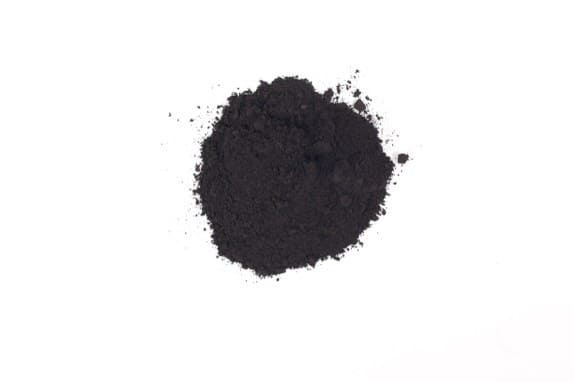
About Activated Carbon
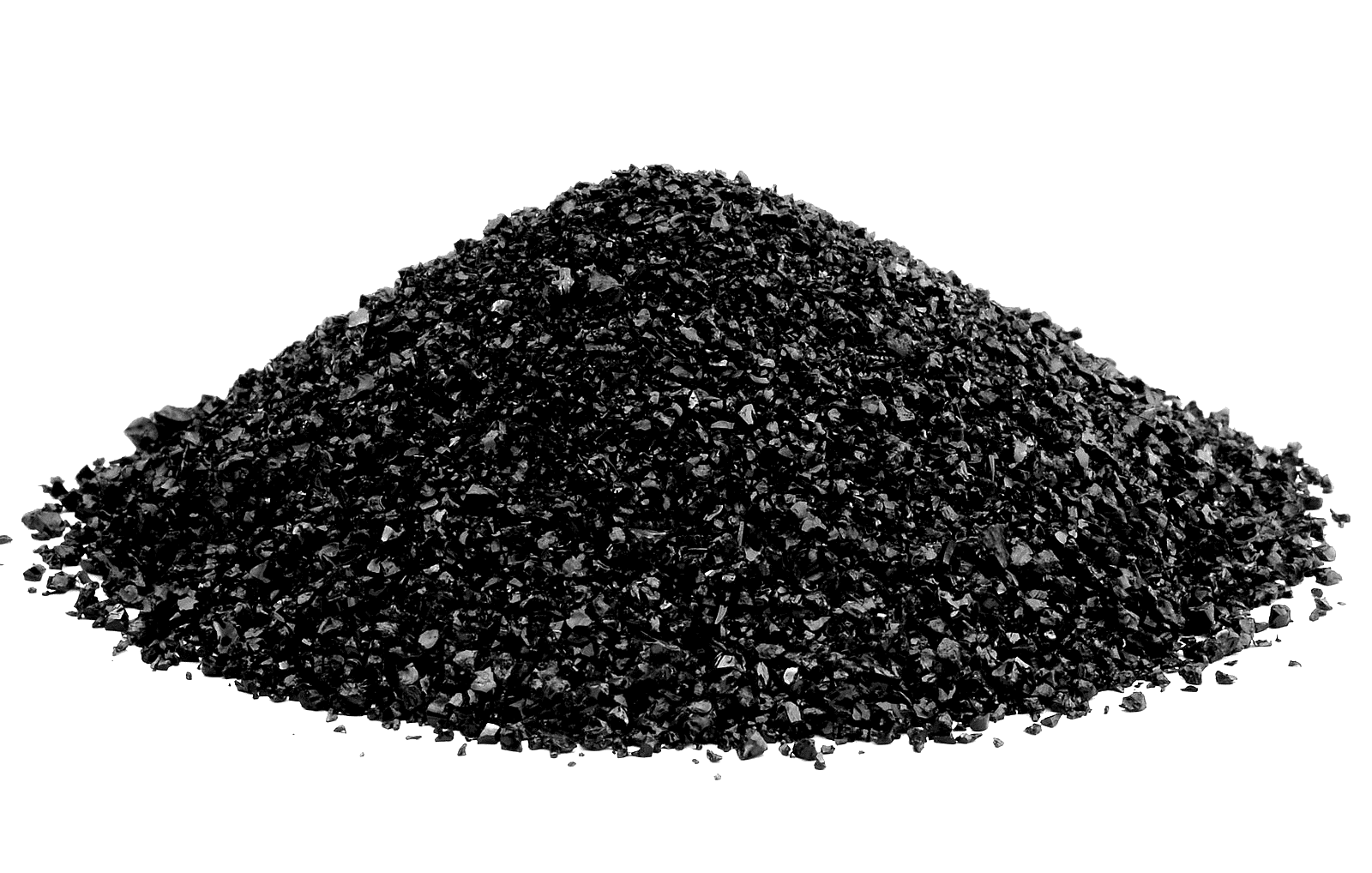
What is Carbon?
Coal, wood, coconut shells, peat, and lignite are natural raw materials rich in carbon. At JY Corporation, we primarily use coconut shells to produce high-performance, eco-friendly activated carbon.
What is Activated Carbon?
The key characteristics of activated carbon include a large surface area, high adsorption capacity, and porous structure.
Where Is Activated Carbon Used?
Water Purification
Household filters, wastewater treatment, drinking water refinement
Air Purification
Air purifiers, industrial gas removal, odor elimination
Metal Recovery
Extraction and refinement of precious metals
Chemical & Pharmaceutical
Purification, decolorization, antidotes
Food Industry
Sugar refining, flavor removal
Its applications are also expanding in deodorization, decolorization, environmental protection, and energy storage.
Every industrial application has unique requirements. Choosing the right activated carbon for the specific use is essential for optimal performance.
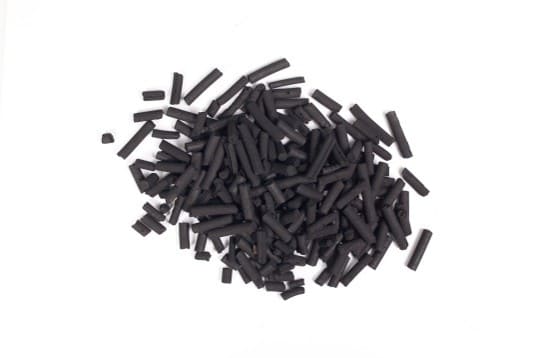
Pelletized Activated Carbon
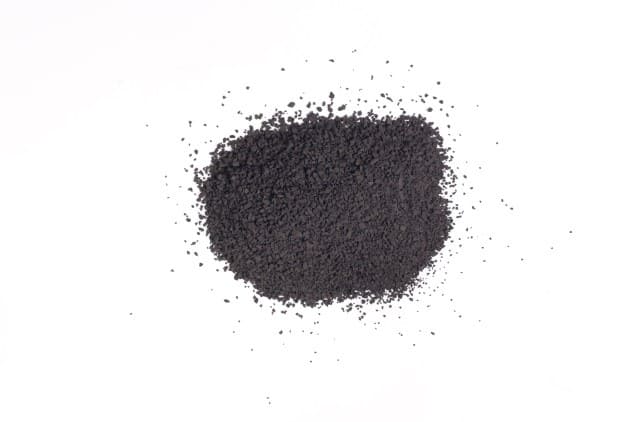
Granular Activated Carbon